Home → Practical Molokini
Practical Molokini
The unglamorous page that saves trips: the sanctuary rules that are actually enforced, what dawn check-in really looks like at both departure points, and the small decisions that separate a great crater morning from a queasy one.
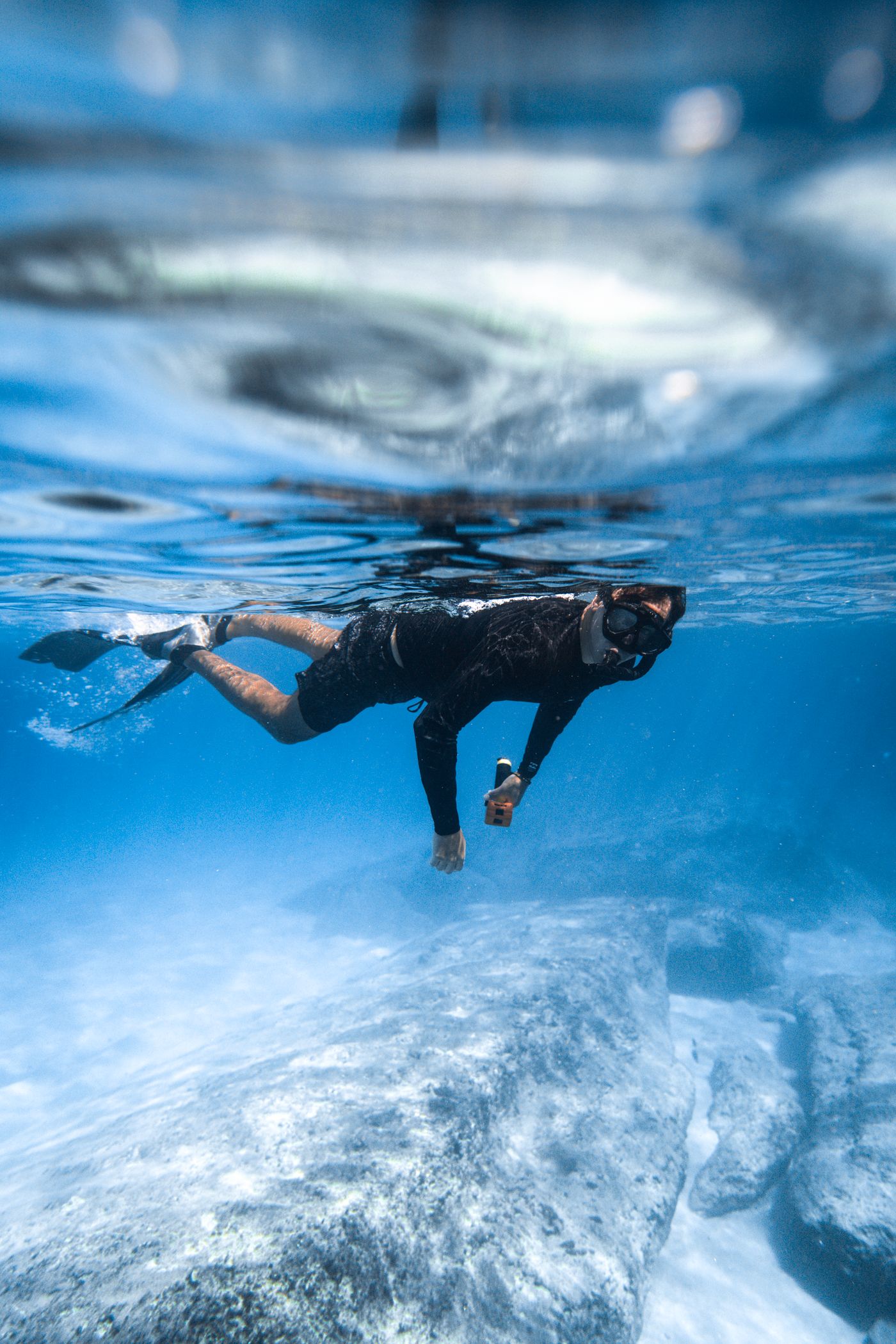
The sanctuary rules (enforced, not decorative)
- No fish feeding. Banned throughout the MLCD. Crews won't do it, and neither should you — it's the rule that keeps Molokini's fish behaving like wild animals.
- No touching, standing on, or taking anything. Coral, shells, rocks — look and photograph only. The district's whole magic is 40+ years of nobody picking anything up.
- No landing on the islet. The crater above water is a seabird sanctuary. Boats moor inside the crescent; nobody goes ashore.
- Reef-safe sunscreen only. Hawaiʻi law prohibits the sale of sunscreen containing oxybenzone or octinoxate, and operators ask you to use compliant sunscreen (or a rash guard — the truly reef-safe option). Apply before boarding so it absorbs.
- Wildlife distance. Turtles and monk seals are federally protected. Never approach, chase, or touch; let them set the distance.
Check-in reality
- It's early. Check-ins run roughly 6:00–7:30 AM depending on the boat. Set two alarms; boats leave on time and the crater waits for no one.
- Maalaea Harbor: paid parking in the harbor lots; walk to your slip with the confirmation on your phone. Leave a buffer — the lot fills on busy mornings.
- Kihei Boat Ramp: parking at the ramp area on South Kihei Road; raft boarding is a walk into the shallows at the ramp, so wear shoes you don't mind getting wet and keep the nice bag in the car.
- Bring: reef-safe sunscreen, a towel, a light layer for the dawn ride (you'll shed it by 9), a dry bag for your phone, and any personal mask if you're particular — boats provide full gear, including flotation, otherwise.
Gear & comfort notes
- Full-face snorkel masks: several Maui operators do not allow them on their trips (safety concerns about CO₂ buildup and fit). If that's your mask, check your operator's policy before the morning of — standard mask-and-snorkel is provided regardless.
- Seasickness: the crossing is the rough part, especially the ride home in the trades. Remedies work best started the night before; ginger helps some; a big boat, a midship seat outside, and eyes on the horizon help everyone. Don't board on an empty stomach.
- Non-swimmers: big catamarans carry flotation belts, noodles, and patient crew, and glass-bottom viewing on some boats — Molokini is genuinely doable. Rafts are for people comfortable in open water.
- Kids: minimum ages vary by boat (rafts set them highest). The big Maalaea boats are the family default for a reason.
Still deciding which boat? The tours page compares the two departure points head-to-head, and when to go covers the weather half of the equation.